Data To Decisions
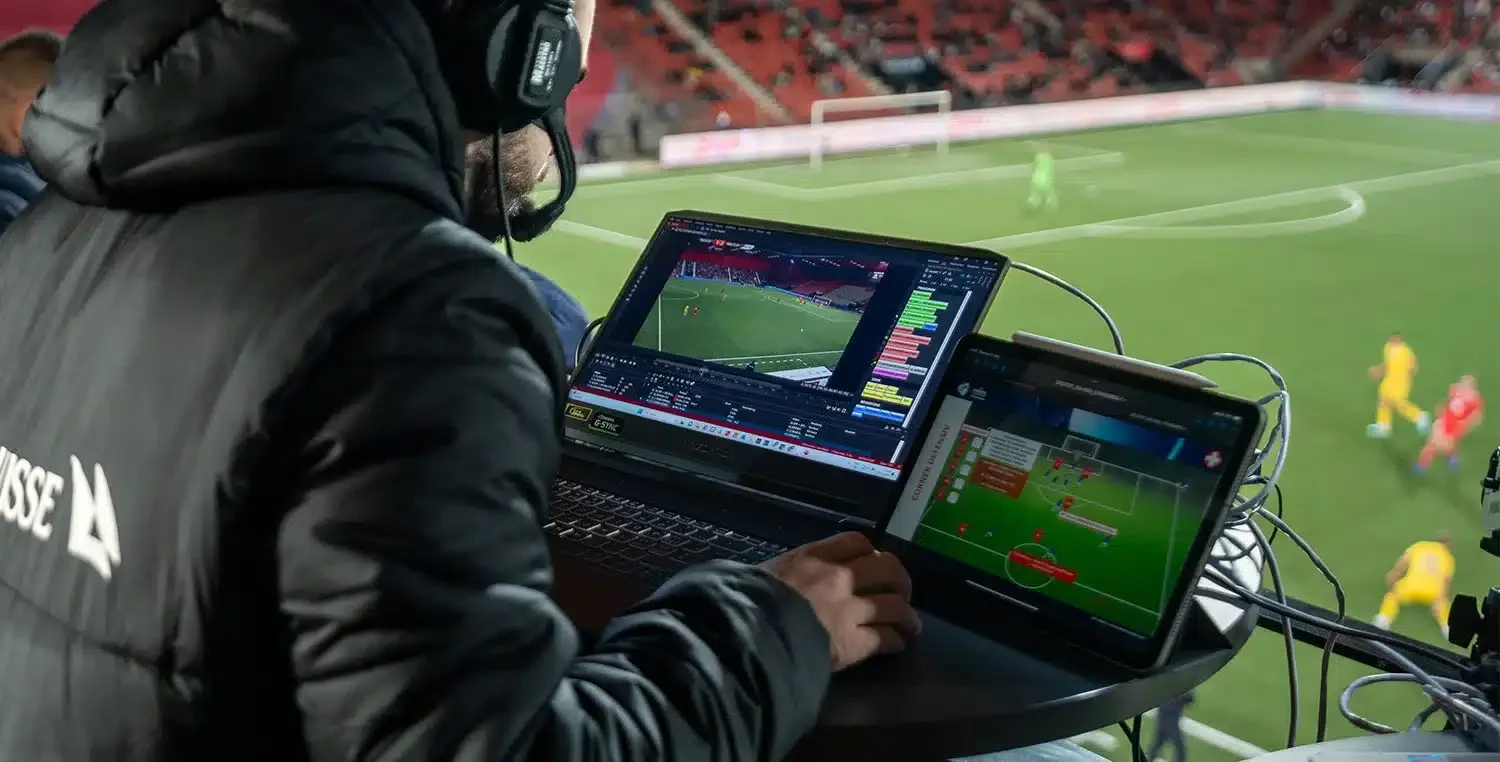
During my final year of university , I was tasked with writing a dissertation exploring a topic related to design and the technology industry.
After some initial exploration and ideation using the AI ideation tool MuDG, I quickly identified the use of artificial intelligence in football analysis as the focus point of my dissertation. This topic immediately stood out to me as it combined my personal interest in football with my curiosity to understand how AI is helping transform the way clubs analyse player performance, develop tactical strategies and make data-driven decisions.
For me, this combination of emerging technology and sport provided an engaging and relevant area of research, making it an ideal subject for further investigation and my dissertation
Will AI enhance or regress football analysis with a focus on tactics and performance?
Desk Research
After defining the research question and aim of my dissertation -to investigate the impact of AI on football by examining its role in data analysis, tactical and performance improvements as well as the potential challenges of its integration. I started into my first stage of research methodology, a literature review.
The purpose of this process was to help me understand the current role of artificial intelligence in football analysis, identify existing research trends as well as evaluate the benefits, limitations and future implications of AI within the sport. I started off by identifying relevant academic and industry sources including peer-reviewed journal articles, industry articles, reputable sports analytics blogs and trusted websites.
Using keywords such as artificial intelligence, football analytics, tactical analysis, performance analysis and sports data analytics, I was able to collect a range of material before prioritising it based on their publication date and citation count to ensure the information was both current and credible.
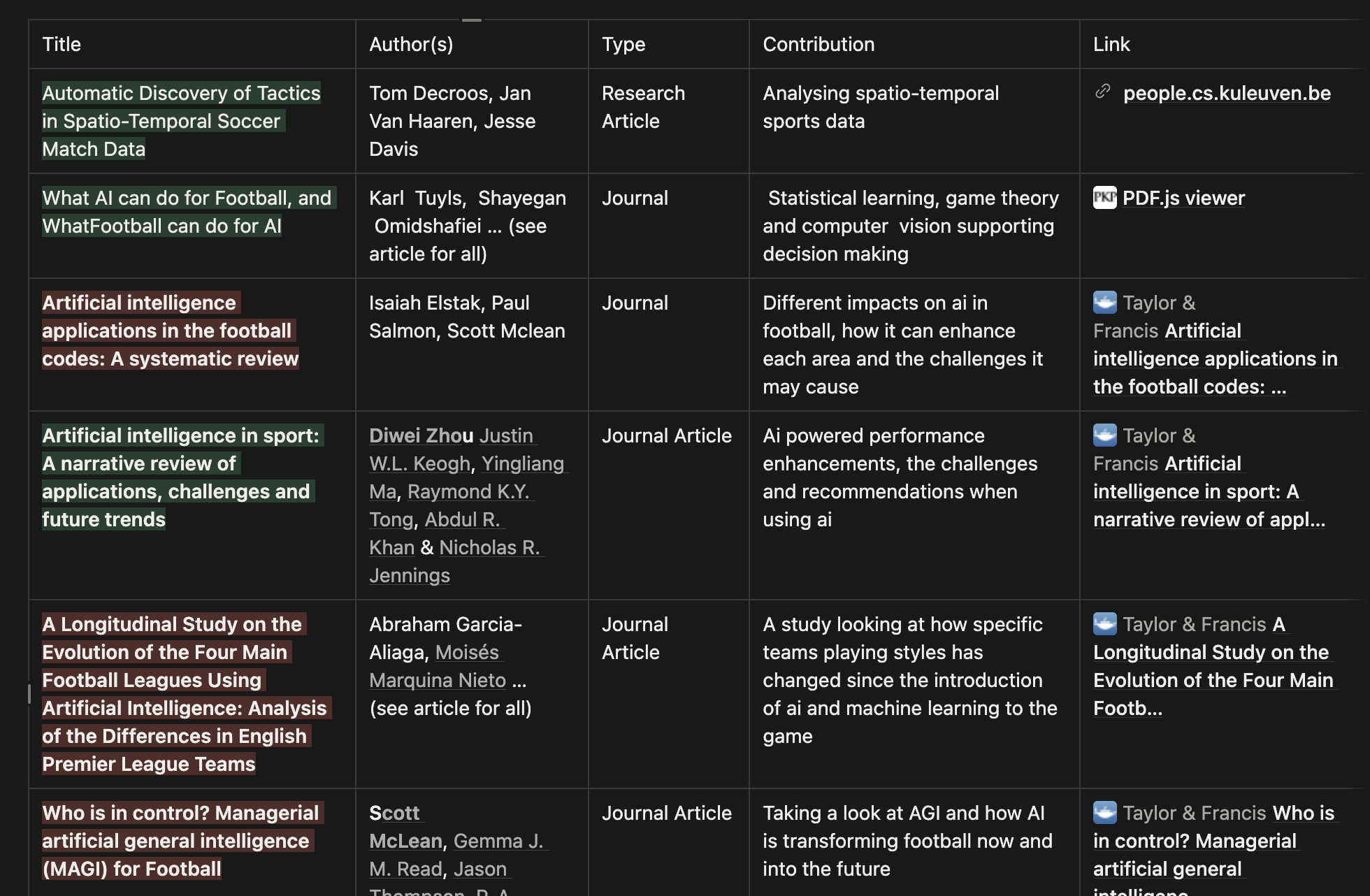
I then reviewed each reputable source individually and defined the article aims, defined my key findings, defined if the analysis was used pre, mid or post match and collected any relevant information relating to tactical analysis, player performance or decision-making. This approach made it possible to compare different perspectives, identify gaps within the existing research and establish connections between studies.
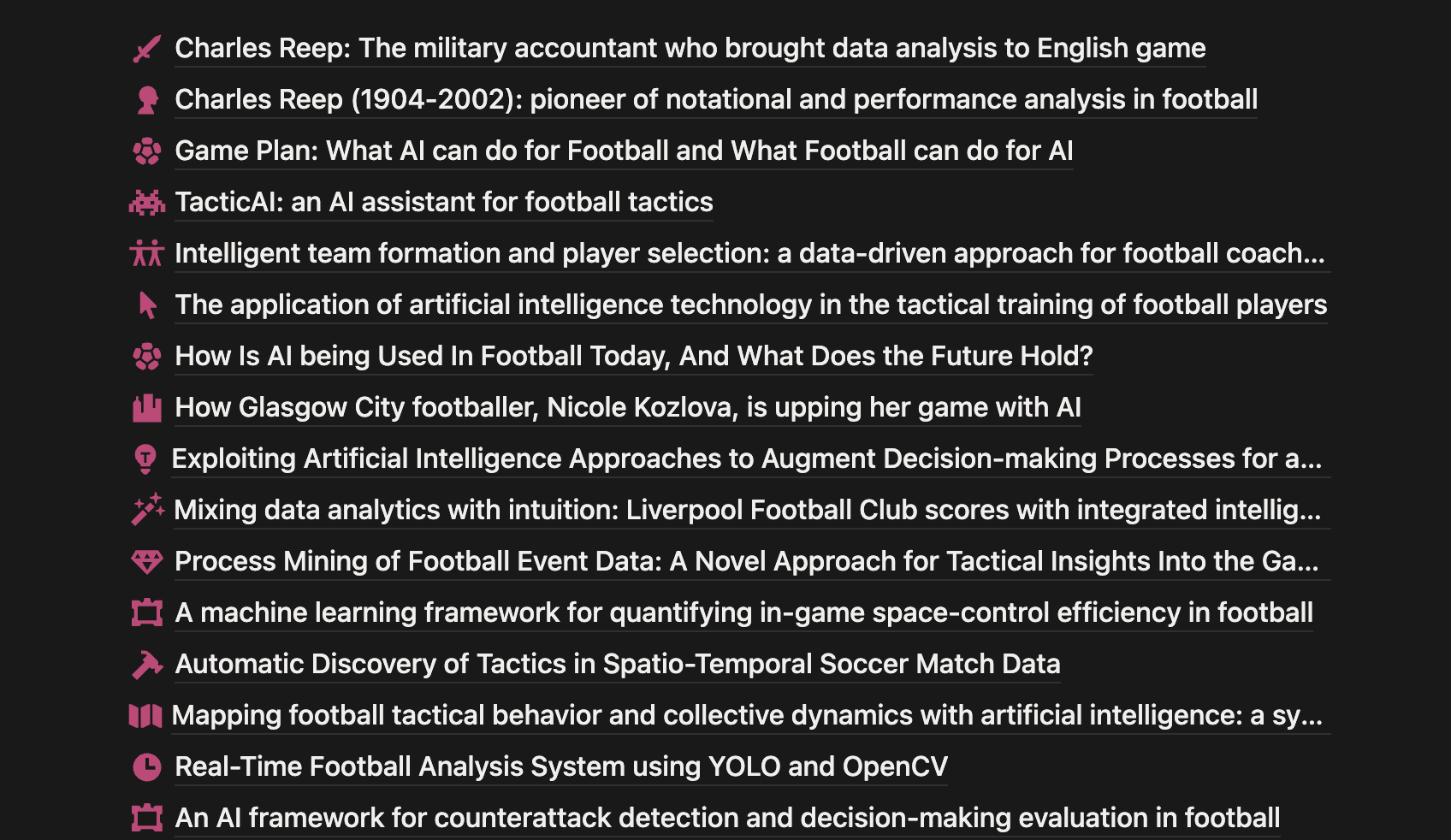
These initial findings also provided a foundation for me to further expand my research as references cited within key papers frequently led to additional academic studies or different viewpoints encouraged me to further explore alternative perspectives.
This iterative approach ensured that the literature review evolved throughout the research process, resulting in a more comprehensive understanding of the subject and providing a strong evidence for answering the dissertation's research question.
User Interview
To gain a deeper understanding of how artificial intelligence is being integrated into football analysis, I conducted a user interview with Pujith, a Senior Product Designer at Taka, a UK-based sports technology and analytics company.
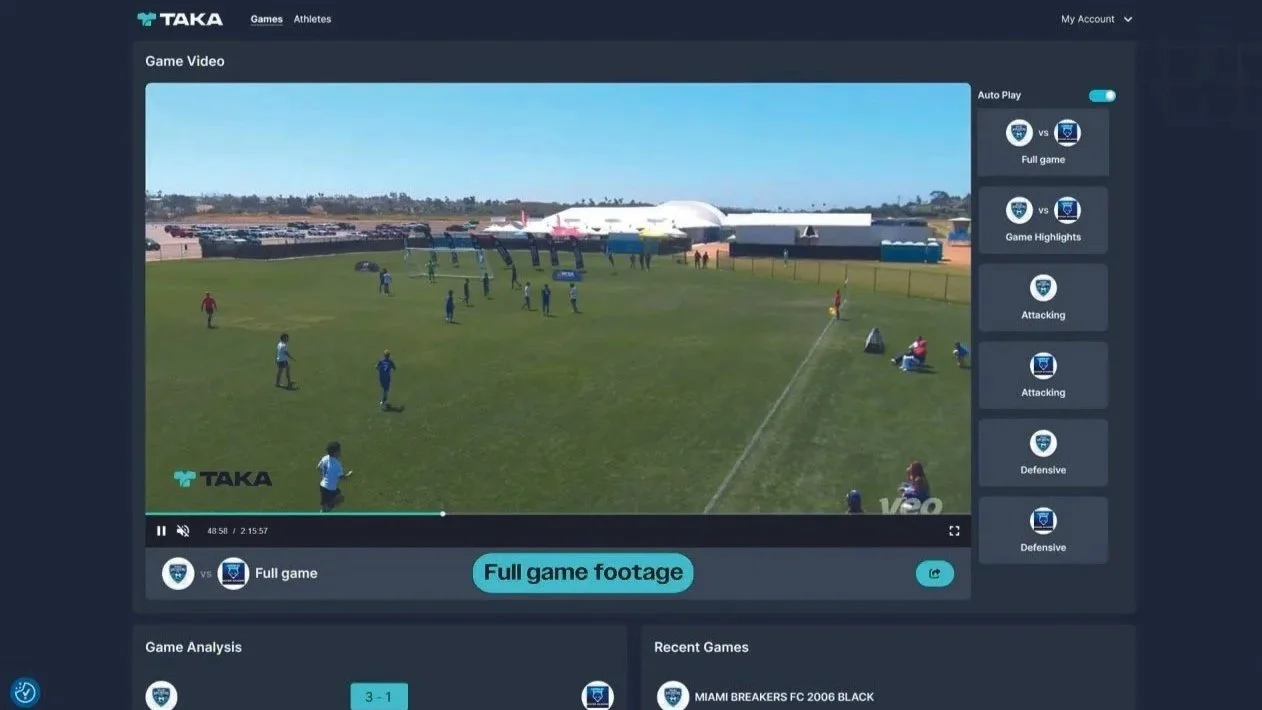
Pujith demonstrated how Taka supports players, coaches and recruiters through performance analysis tools, personalised development plans and AI-driven player insights. We discussed Taka's transition from manual video analysis to computer vision, enabling AI to automatically identify players, analyse their on and off-the-ball actions and significantly reduce the time required to generate post-match insights. He also showcased Taka's upcoming generative AI platform, Assistant Coach, which allows users to search for players and performance attributes using natural language.
The interview also explored the future of AI in football analysis as we discussed how it will hopefully introduce more visual forms of analysis, enhanced player comparisons and increasingly specialised tools tailored to the needs of coaches and players.
This interview provided valuable industry insight and reinforced the findings from my literature review. Both research methods demonstrated that AI is enhancing existing analysis workflows by improving efficiency, accessibility and decision-making while continuing to rely on human expertise for validation and interpretation.
Final Dissertation
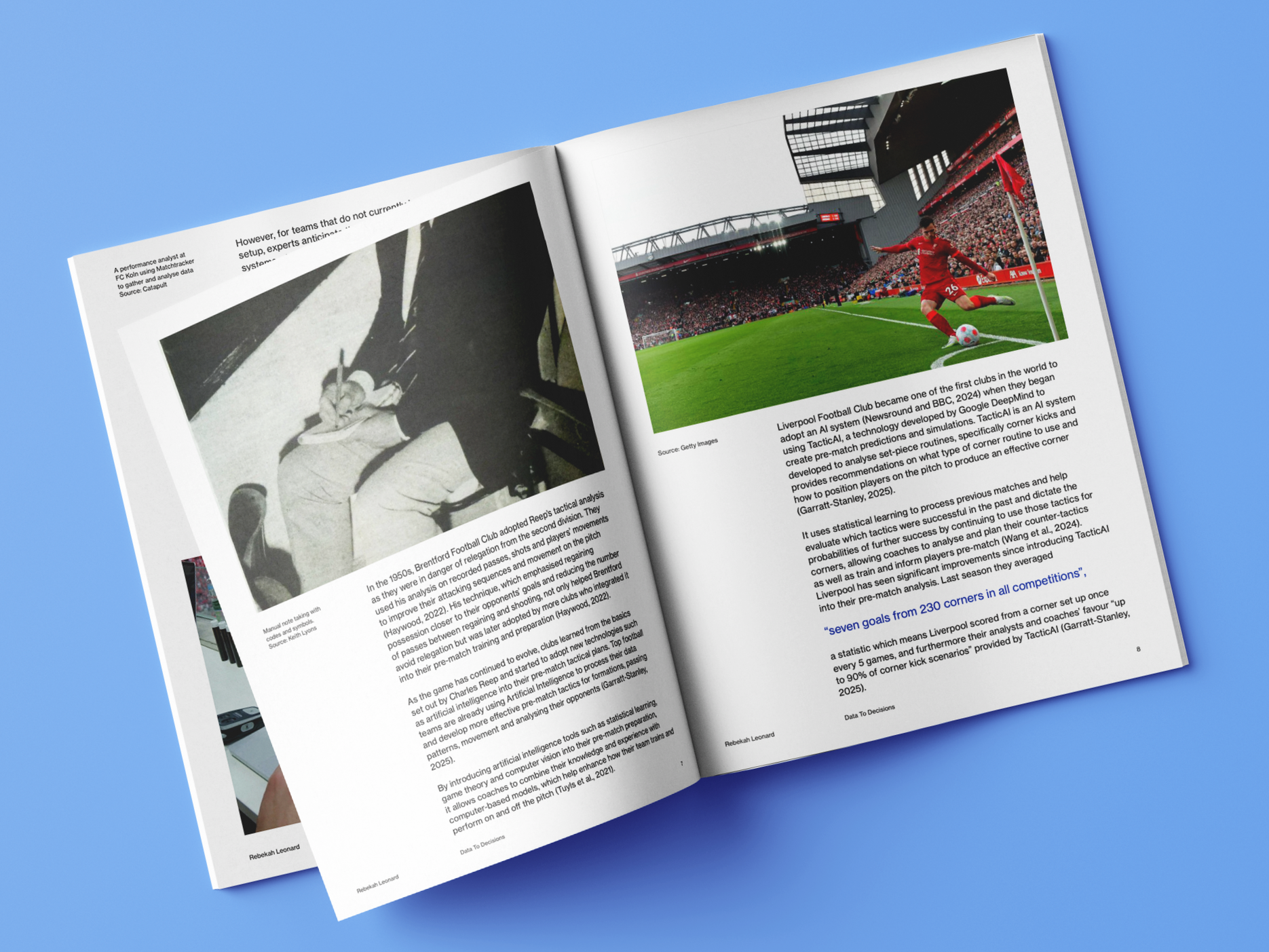
Data To Decisions explored the impact of artificial intelligence on football analysis and how AI is changing the way clubs analyse performance, develop tactics and support decision-making.
Through a combination of literature and industry research with sports analytics company Taka, I examined both the benefits and challenges of AI, providing insight into its evolving role within modern football.
Want To Read More?
You can visit my Notion blog to explore more about my dissertation and the research process behind it.